Is RenovoCath FDA-cleared?
The RenovoCath catheter has been FDA-cleared since 2014, meaning it has been reviewed by the U.S. Food and Drug Administration and cleared for use in patients. It is not considered an experimental medical device.
Who might benefit from the TAMP platform?
The TAMP platform may be an option for some patients with solid tumors who are exploring additional treatment approaches, including those who have experienced limited benefit from, or difficulty tolerating, systemic chemotherapy. Eligibility depends on several factors, including your diagnosis, medical history, imaging results, and overall health. Your physician can help determine whether TAMP may be appropriate for your individual situation. The TAMP platform is currently being evaluated in clinical studies in pancreatic cancer. Learn more about ongoing clinical trials: [TIGeR-PaC Trial: NCT03257033]
What are the potential benefits of TAMP?
With TAMP, chemotherapy is delivered directly near the tumor, so less of the drug spreads through the rest of the body. This targeted approach may be easier to tolerate than IV chemotherapy and could reduce common side effects. TAMP may also provide an option for tumors that are hard to reach or have limited blood supply.
Who performs the TAMP procedure?
TAMP is performed by interventional radiologists, doctors specializing in minimally invasive, image-guided treatments, who work with your oncology team to determine if TAMP is right for you.
What can patients expect during the TAMP procedure?
The procedure usually takes on average 90 minutes, and most patients go home the same day. You’ll receive light sedation to help you relax and stay comfortable. The doctor makes a tiny incision, just a few millimeters, typically in your leg and gently guides a thin catheter (tube) through an artery to the area near the tumor. Once the RenovoCath catheter is in place and the doctor finds the tumor, two small balloons on the catheter are inflated to keep the chemotherapy drug in the treatment area. The chemotherapy drug is then infused between the balloons, creating pressure to push the drug near the tumor. After the procedure, you may feel mild discomfort at the incision site, but most patients return to normal activities in less than a few days.
Do I need to limit my activities after TAMP?
Your doctor may recommend avoiding strenuous exercise or heavy lifting for a few days to allow the catheter incision site in your leg to heal. Your care team will give you specific instructions based on your procedure and overall health.
What follow-up is needed?
After your TAMP procedure, you’ll have follow-up visits so your doctor can monitor your health and see how the tumor is responding. This may include imaging scans, like CT or MRI, and blood tests. Based on the results, your doctor will discuss next steps, which could include additional additional TAMP procedures or other treatment options.
Will TAMP interfere with my other cancer treatments?
TAMP is designed to work alongside your other cancer treatments. Your doctors will coordinate when TAMP fits into your care plan with IV chemotherapy and/or radiation.
Is TAMP widely available?
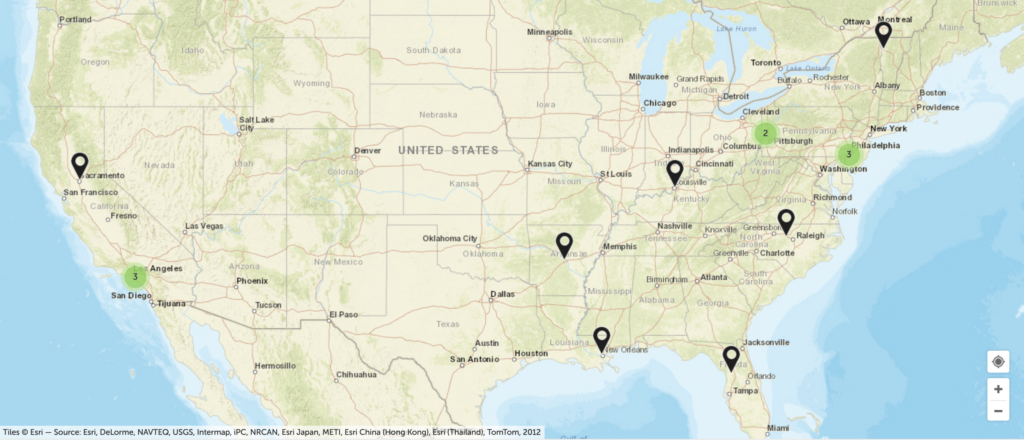
Treatment using the TAMP platform is available at a growing number of cancer centers across the United States for patients with solid tumors, including pancreatic cancer and sarcoma. Use our Physician Locator to find a trained physician near you, or speak with your doctor to learn whether treatment using the TAMP platform may be appropriate for your individual situation.
Is TAMP safe?
More than 900 procedures have been performed to date with limited side effects reported. Ongoing research continues to help doctors understand its safety profile.
Is TAMP covered by insurance?
TAMP is covered by multiple insurance providers. You will need to speak to your insurance provider to verify your individual coverage and benefits.
Take the Next Step
Your doctor will determine if TAMP is right for you and how this approach may fit within your overall treatment plan.