Advisory Boards
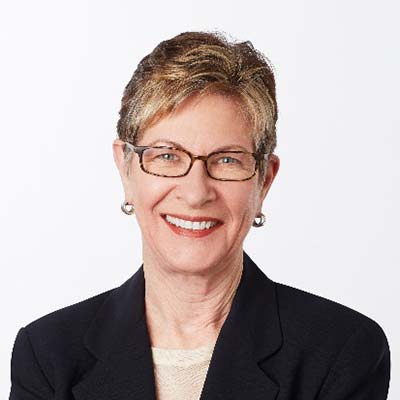
Margaret A. Tempero, M.D.
Professor of Medicine and Director of the UCSF Pancreas Center Editor-in-Chief of JNCCN
Margaret Tempero, MD, is a Professor of Medicine and Director of the UCSF Pancreas Center and editor-in-chief of JNCCN. Her research career has focused on pancreatic ductal adenocarcinoma, especially in the area of investigational therapeutics. Dr. Tempero has served on the ASCO Board of Directors and as ASCO President. She currently serves on the ASCO Conquer Cancer Foundation Board. She codirected the AACR/ASCO Methods in Clinical Cancer Research and taught this course and similar courses in Europe and Australia. She was founding Chair of the NCI Clinical Oncology Study Section and served as a member and Chair of the NCI Board of Scientific Counselors Subcommittee A. She is a member of the Scientific Steering Committee and Chair of the Clinical and Translational Study Section for the Cancer Prevention & Research Institute of Texas. She is or has been on the Scientific Advisory Boards of the Lustgarten Foundation, the Pancreatic Cancer Action Network, the V Foundation, The Alberta Canada Cancer Board, and the EORTC. She served as a member of the Oncology Drug Advisory Committee for the FDA. She has served as Deputy Director and Interim Director for the UNMC Eppley Cancer Center. She is Chief Emeritus of the Division of Medical Oncology at UCSF. She served as the founding Deputy Director and was later Director of Research Programs at the UCSF Helen Diller Family Comprehensive Cancer Center.
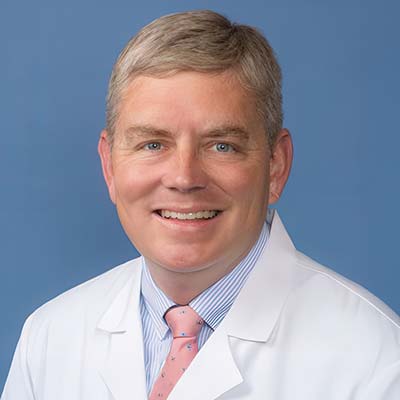
Timothy Donahue, MD
Director of the UCLA Agi Hirshberg Center for Pancreatic Diseases
Garry Shandling Chair in Pancreatic Surgery, David Geffen School of Medicine at UCLA
Dr. Donahue is a nationally recognized expert in pancreatic cancer and serves as the Director of UCLA’s Agi Hirshberg Center for Pancreatic Diseases and as Chief of the Division of Surgical Oncology at the David Geffen School of Medicine. He also holds the Garry Shandling Chair in Pancreatic Surgery and maintains a joint appointment in the Department of Molecular and Medical Pharmacology, where he leads an active research program focused on advancing management of pancreatic cancer.
Dr. Donahue performs multiple pancreatic surgeries each week and leads UCLA’s high-volume clinical program, which integrates extended induction therapy with surgical treatment for patients with locally advanced and borderline resectable pancreatic cancer. His leadership in translational oncology and clinical research has advanced multidisciplinary treatment strategies for this complex disease.
In addition to his clinical work, Dr. Donahue is the Principal Investigator of a National Institutes of Health funded research laboratory. His scientific research focuses on developing improved treatment strategies through fundamental mechanistic investigations for patients with pancreatic cancer.
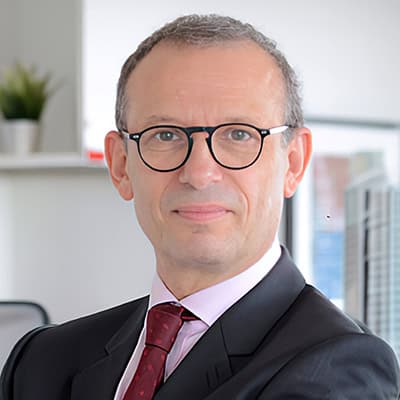
Michel Ducreux, MD, PhD
Head of the Gastrointestinal Oncology Unit and Gastrointestinal Oncology Tumor Board at Gustave Roussy
Professor of Oncology at Paris-Saclay University in France and Vice-Chair of ESMO GI
Dr. Ducreux is the Head of the Gastrointestinal Oncology Unit and Gastrointestinal Oncology Tumor Board at Gustave Roussy, Professor of Oncology at Paris-Saclay University in France and Vice-Chair of ESMO GI.
Dr. Ducreux was trained in medicine, gastroenterology, and gastrointestinal tract oncology at the University of Paris Sud and holds a master’s degree in biological sciences and a PhD in health sciences. He has held positions as assistant physician and professor of oncology at the Gastrointestinal Unit of Gustave Roussy and Paul Brousse Hospital in Villejuif. He was Medical Affairs Director of Gustave Roussy from January 2011 to December 2019. He is the former Chair of the European Organisation for Research and Treatment of Cancer (EORTC) Gastrointestinal Tract Cancer Group and is the former Chair of the Gastrointestinal Group of the French Federation of Anticancer Centers (FNCLCC). He is Co-editor for gastrointestinal oncology of the European Journal of Cancer.
Professor Ducreux has published more than 500 scientific articles, with papers for which he was lead author, focusing on the management of metastatic colorectal cancer, locally advanced and metastatic pancreatic carcinoma, biliary tract carcinoma, hepatocellular carcinoma, and treatment of neuroendocrine tumors. He is an author to over 200 invited lectures in various national and international congresses.
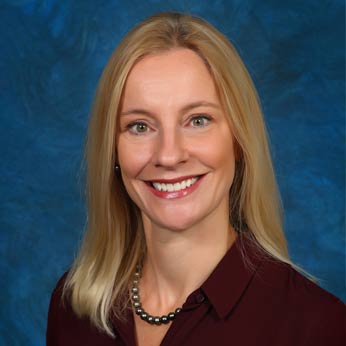
Karyn A. Goodman, MD, MS
Professor and Vice Chair of Clinical Research, Department of Radiation Oncology, Icahn School of Medicine at Mount Sinai
Associate Director of Clinical Research, The Tisch Cancer Institute at Mount Sinai
Dr. Goodman is a board-certified radiation oncologist specializing in cancers of the gastrointestinal tract, including malignancies of the esophagus, stomach, pancreas, and liver as well as colorectal and anal cancers. She recently joined the Icahn School of Medicine at Mount Sinai as a Professor in the Department of Radiation Oncology and Associate Director of Clinical Research in the Tisch Cancer Institute. Dr. Goodman had been at the University of Colorado Cancer Center for four years after serving as the head of Gastrointestinal Radiation Oncology at Memorial Sloan-Kettering Cancer Center for over eight years. Her initial faculty position was in the Department of Radiation Oncology at Stanford University School of Medicine.
Dr. Goodman obtained her undergraduate and medical degrees from Stanford University and spent a year as a Research Fellow at the Division of Reproductive Health of Centers for Disease Control in Atlanta. She completed her residency training in Radiation Oncology at Memorial Sloan-Kettering Cancer Center where she served as Chief Resident. She earned a Masters in Epidemiology at the Harvard School of Public Health in 2006.
Dr. Goodman is an internationally recognized expert in Gastrointestinal Cancer and has served in numerous leadership roles on multiple ASTRO, ASCO, and RTOG/NRG committees. She serves as the national Radiation Oncology principal investigator of the RTOG/NRG 0848 study, a phase III trial evaluating the use of post-operative radiotherapy for pancreatic cancer. She is the national Study Chair for the recently completed CALGB/Alliance Cooperative Group phase II trial (CALGB 80803) investigating PET scan-directed therapy for esophageal cancer. She has published over 100 peer-reviewed articles, review articles, and chapters.
In addition to clinical activities in the area of GI cancers, she is assuming the role of Medical Director of the Clinical Trials Office of the University of Colorado Cancer Center and also serves as Associate Medical Director of the UC Health Oncology Services line.
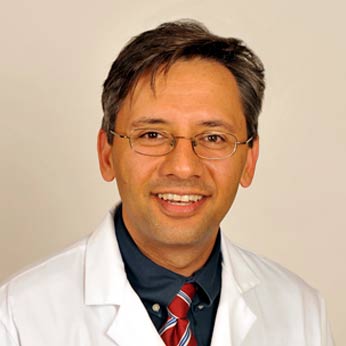
Mike Pishvaian, MD, PhD
Associate Professor, Department of Oncology Director of the Gastrointestinal, Developmental Therapeutics, and Clinical Research Programs at the NCR Kimmel Cancer Center at Sibley Memorial Hospital
Johns Hopkins University School of Medicine
Dr. Pishvaian is Associate Professor in the Department of Oncology, and Director of the Gastrointestinal, Developmental Therapeutics, and Clinical Research Programs at the NCR Kimmel Cancer Center at Sibley Memorial Hospital at Johns Hopkins University School of Medicine.
Formerly, Dr. Pishvaian was Associate Professor, in the Department of Gastrointestinal Oncology, and Co-director for Clinical Research at the Sheikh Ahmed Bin Zayed Al Nahyan Center for Pancreatic Cancer Research at the University of Texas, MD Anderson Cancer Center.
Dr. Pishvaian is an MD and a PhD in Tumor Biology and earned both degrees at Georgetown in 2001. He remained at Georgetown after graduation, completing his medical residency in 2004, then his fellowship in Hematology/Oncology in 2007. He served on the faculty at Georgetown until moving to MD Anderson in 2019.
Dr. Pishvaian is a translational oncologist, focused on providing novel therapy for patients, particularly in the areas of pancreatic cancer and refractory colorectal cancer. His work has been focused in the area of precision medicine, with a special focus on therapy targeted towards homologous recombination DNA repair deficient tumors, and Dr. Pishvaian is a Co-investigator on an NIH RO1 to study mechanisms of resistance to PARP inhibitor-based therapy.
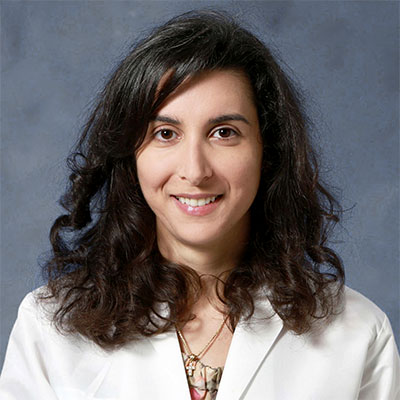
Nadine Abi-Jaoudeh, MD
Chief of Interventional Radiology and Director of Clinical Research in the Department of Radiology at the University of California, Irvine
Dr. Abi-Jaoudeh serves as Chief of Interventional Radiology and Director of Clinical Research in the Department of Radiology at the University of California, Irvine as well as Deputy Editor of the Journal of Vascular and Interventional Radiology. She is recognized for her leadership in image-guided oncology and translational research. Her expertise includes minimally invasive procedures including percutaneous ablations and intra-arterial therapies, with a focus on advancing treatments in primary and metastatic hepatobiliary pancreatic cancers.
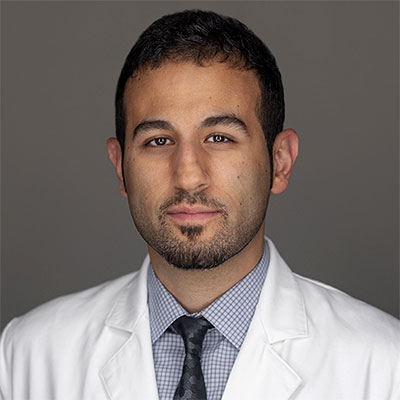
Mustafa Al-Roubaie, MD
Interventional Radiologist at Moffitt Cancer Center
Associate Professor of Radiology and Oncologic Sciences at the University of South Florida School of Medicine
Dr. Al-Roubaie has a clinical focus in interventional oncology and embolotherapy and is an active investigator with experience in minimally invasive approaches across both malignant and benign disease states. He holds academic appointments as Associate Professor of Radiology and Oncologic Sciences at the University of South Florida School of Medicine.
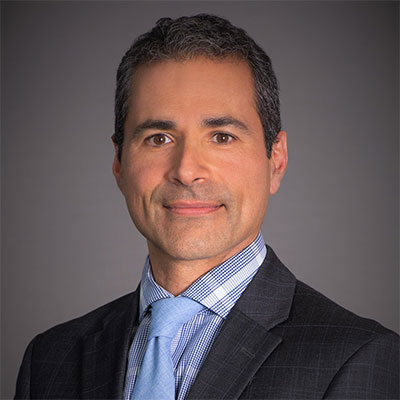
Khashayar Farsad, MD, PhD
Josef Rosch Professor and Chair of th
e Department of Interventional Radiology, Oregon Health and Science University Director of Dotter Interventional Institute, and Director of Research, Oregon Health and Science University
Dr. Farsad is the Josef Rosch Professor and Chair of the Department of Interventional Radiology, Director of Dotter Interventional Institute, and Director of Research. He is a Fellow of the Society of Interventional Radiology and actively serves on committees through the American Board of Radiology, the Society of Interventional Radiology, and the American College of Radiology. Dr. Farsad’s areas of clinical and academic interest include interventional management of portal hypertension, image-guided treatment of solid organ malignancies, and endovascular venous reconstruction.
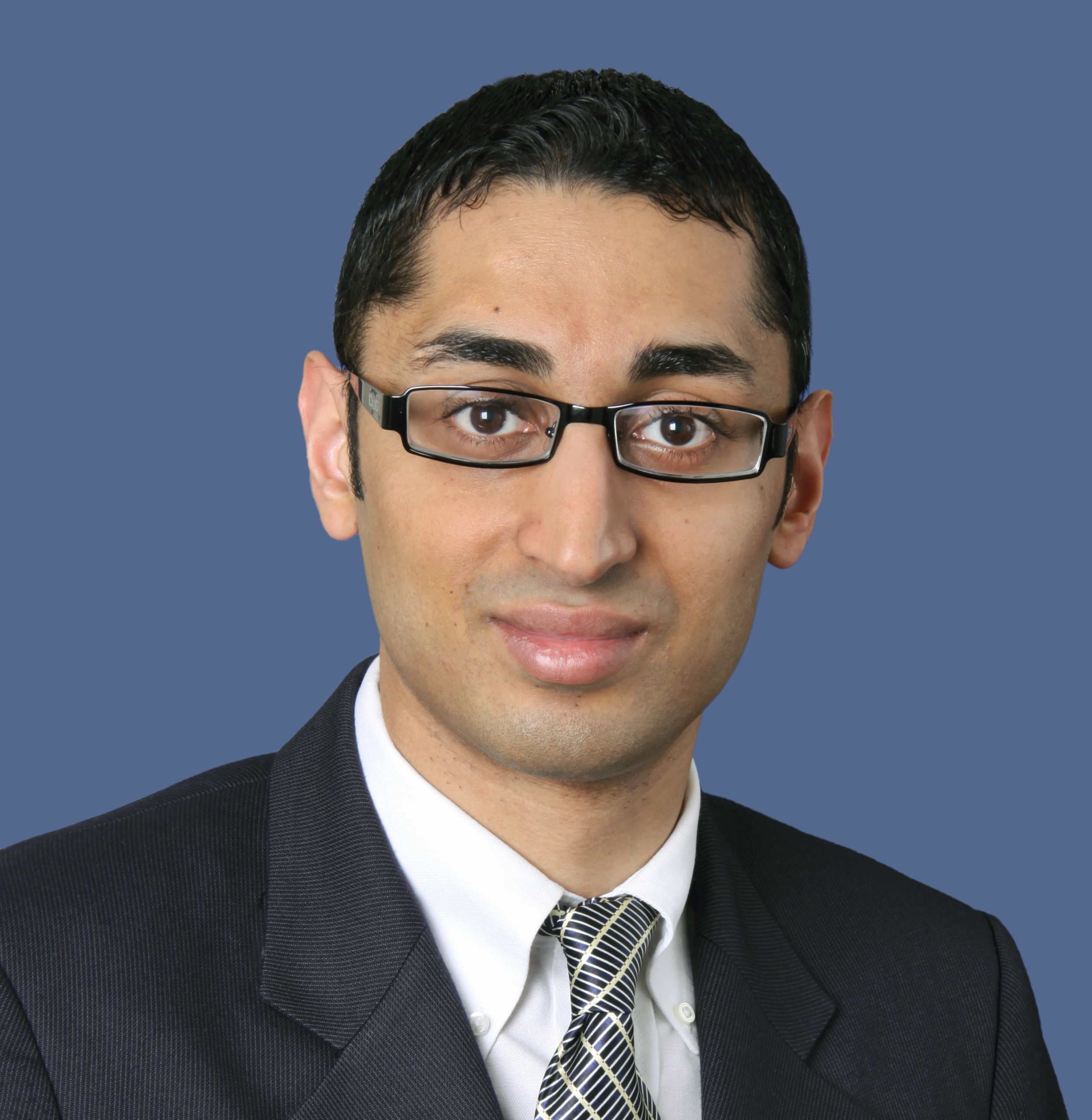
Ripal Gandhi, MD
Interventional Radiologist at Baptist Health South Florida
Dr. Gandhi serves as a principal investigator in RenovoRx’s post-marketing Registry Study, which evaluates cancer treatment delivered by RenovoCath to solid tumors. He is a leader in interventional oncology and endovascular therapy with active clinical roles at Miami Cancer Institute and Miami Cardiac & Vascular Institute. His expertise includes minimally invasive treatments for both cancer and vascular disease, and he has trained physicians worldwide while serving as program director and faculty for leading interventional radiology conferences, including Interventional Symposium on Endovascular Therapy and Clinical Interventional Oncology.
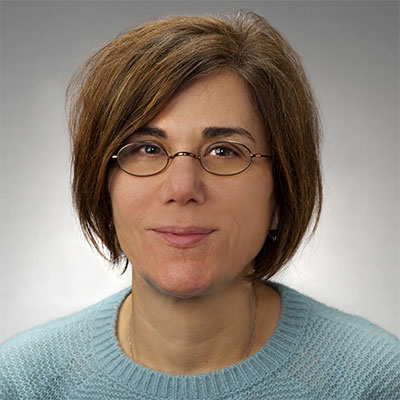
Paula Marie Novelli, MD
Interventional Radiologist at University of Pittsburgh Medical Center
Dr. Novelli is a board-certified interventional radiologist with extensive experience in advanced image-guided procedures. She currently practices at University of Pittsburgh Medical Center and is an investigator in RenovoRx’s ongoing Phase III TIGeR-PaC trial evaluating intra-arterial gemcitabine delivery in locally advanced pancreatic cancer.
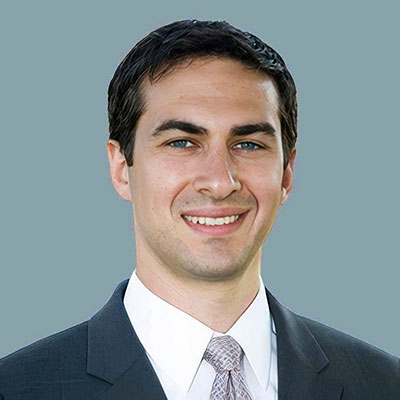
Jonathan Kessler, MD
Chief of the Division of Interventional Radiology at City of Hope Comprehensive Cancer Center
Dr. Kessler is the Chief of the Division of Interventional Radiology at City of Hope, where he directs advanced interventional therapies for solid tumors. He has served at City of Hope for over a decade, with clinical expertise in ablation, embolization, and supportive oncology interventions.